Description
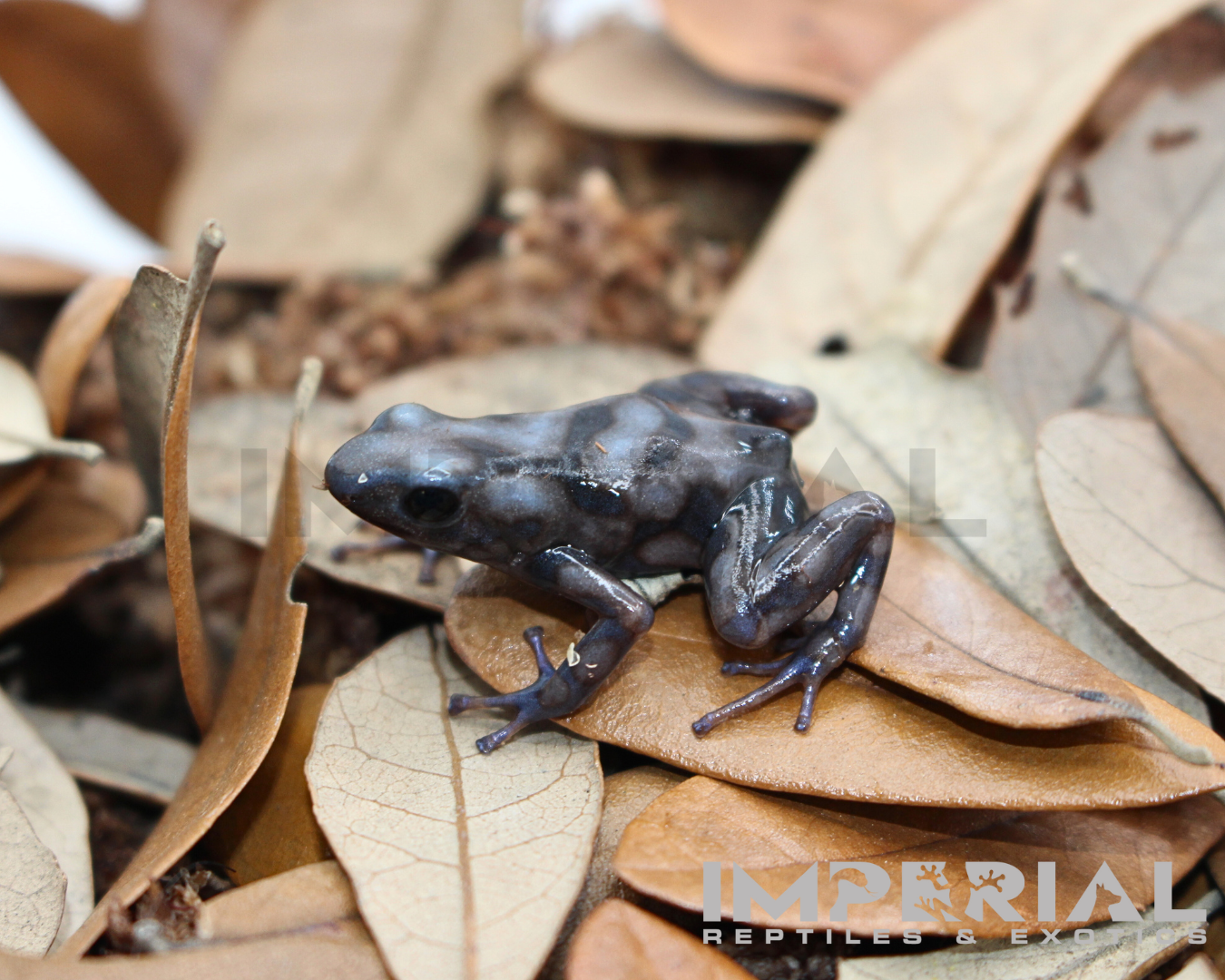
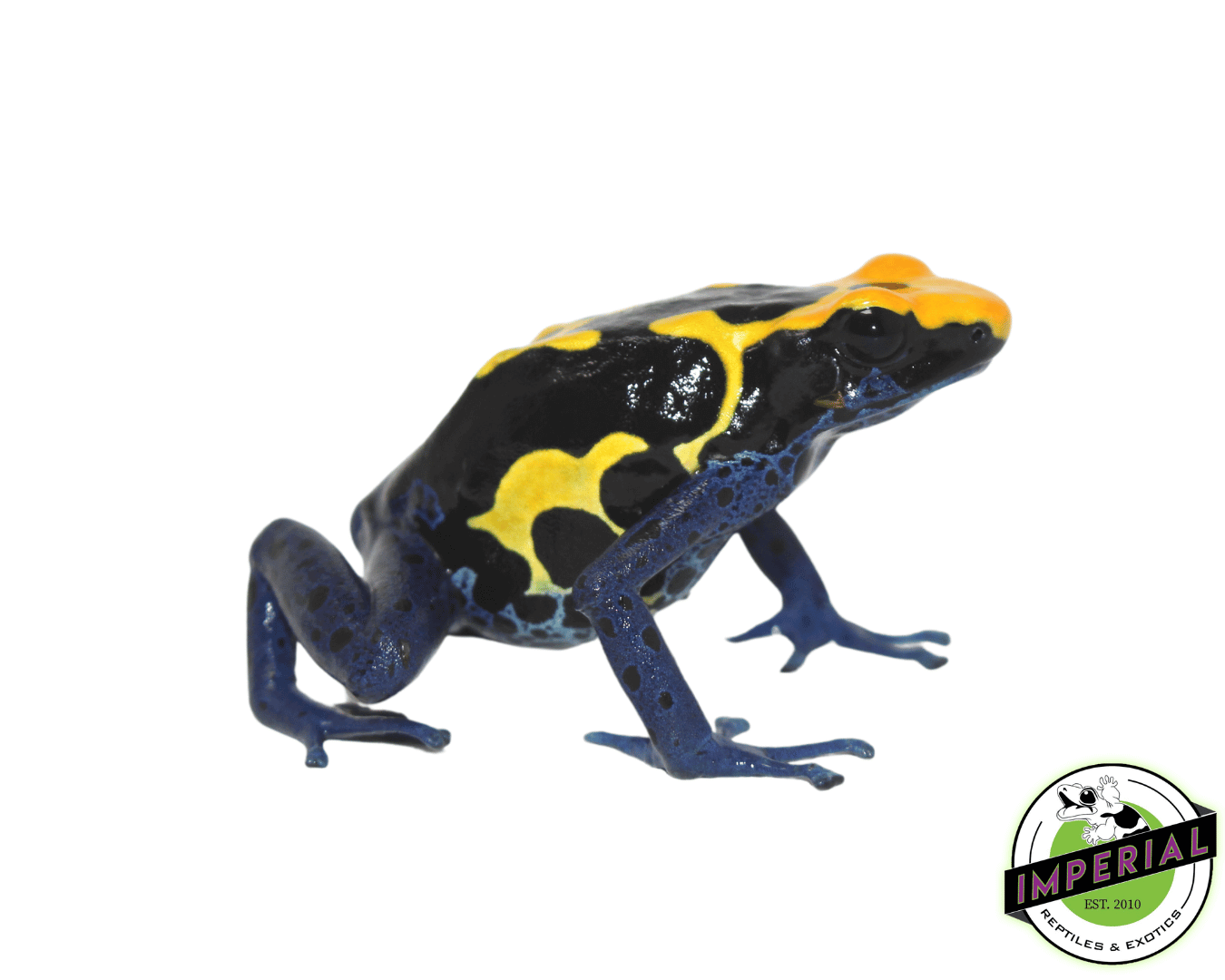
Localreptileshows is a Raleigh, NC-based retailer specializing in responsibly sourced reptiles and amphibians. The Rio Cascajal Dart Frog (Dendrobates auratus) is a visually striking, captive-bred amphibian known for its metallic green and black patterning. This morph stands out for its consistent, high-contrast coloration and robust captive lineage. Available now for $98.99 with same-day shipping from our facility.
Reviewed by Derrick Cole, Range Master & Reviewer at Localreptileshows. 19 years competitive shooting, product tester for 3 manufacturers.
Last updated: April 2026
Rio Cascajal Dart Frog Specifications
Just like I’d break down the specs of a new firearm, here’s the detailed data on this amphibian. Knowing the exact details upfront prevents surprises and ensures you’re getting what you expect.
| Specification | Detail |
|---|---|
| Product Type | Live Amphibian – Captive-Bred Dart Frog |
| Material (Species) | Dendrobates auratus ‘Rio Cascajal’ |
| Manufacturing (Origin) | Captive-Bred in the USA |
| Finish (Coloration) | Metallic Green & Black Marbled Pattern |
| Hardness/Quality (Health) | Vibrant, Active, Feeding Well on Fruit Flies |
| Compatibility (Housing) | Paludarium/Vivarium, Species-Only or Compatible Dart Frog Groups |
| Installation/Usage (Care) | Terrestrial, Requires Humid, Planted Enclosure (10+ Gallons) |
| Weight (Approx.) | 2-4 grams (Juvenile/Sub-Adult) |
| Dimensions (Size) | Approximately 1 to 1.5 inches in length |
| Country of Origin (Lineage) | Panamanian Locale, US Captive-Bred |
| Condition | Healthy, Quarantined, Ready for New Home |
| SKU | LRS-DF-AUR-RC |
Key Features of the Rio Cascajal Morph
Handling these frogs is about appreciating their specific traits, much like evaluating the ergonomics and finish of a fine firearm. Here’s what makes the Rio Cascajal a standout choice.
- Distinctive Coloration: The hallmark is a brilliant, almost metallic green base overlaid with a bold, irregular black marbling. The contrast is sharp and visually arresting in a planted tank.
- Captive-Bred Reliability: Sourced from established US breeders, these frogs are acclimated to captive conditions, typically more hardy and consistent feeders than wild-caught specimens.
- Manageable Size: As a medium-sized Dendrobates auratus morph, they are large enough to be easily observed but don’t require excessively large enclosures, making them suitable for various setups.
- Diurnal Activity: They are active during the day, allowing for maximum viewing enjoyment as they explore their territory, hunt fruit flies, and interact.
- Established Bloodline: The Rio Cascajal line has been in captivity for many generations, promoting predictable traits and behaviors that hobbyists have come to rely on.
Who This Dart Frog Is For (And Who Should Look Elsewhere)
Not every tool is right for every job, and the same goes for pets. Here’s my straight take on the ideal owner for this frog.
Buy it if: You’re an intermediate hobbyist looking for a visually stunning, active display animal. You have a properly set up and planted vivarium (or are ready to build one). You appreciate the reliability of a well-established captive bloodline and want a frog that’s a consistent feeder. You’re drawn to the classic dart frog aesthetic with a high-contrast, metallic color scheme.
Skip it if: You are an absolute beginner with no experience in maintaining humidity and temperature for tropical species. You’re looking for a handleable, “petting” animal—dart frogs are for observation. You need a pet that requires minimal daily upkeep; fruit fly cultures are a commitment. If a lower-maintenance amphibian is your goal, see our other amphibian listings for potential alternatives.
Pros and Cons: An Honest Assessment
Based on my inspection of the animals we receive and feedback from customers, here’s the balanced breakdown.
Pros:
- ✅ Stunning Visual Impact: The green-and-black pattern is one of the most recognizable and attractive in the dart frog hobby.
- ✅ Proven Hardiness: As a long-established captive morph, they are generally robust and adapt well to proper vivarium conditions.
- ✅ Excellent Display Behavior: Their diurnal nature and terrestrial foraging make them engaging to watch.
- ✅ Good Value Point: Priced under $100, it offers a premium look without entering the ultra-rare morph price bracket.
- ✅ Clear Lineage: You know exactly what you’re getting—a Rio Cascajal, not a generic “green and black” auratus.
Cons:
- ❌ Not for Beginners: Requires specific, stable habitat parameters (high humidity, appropriate temperature, live plants).
- ❌ Ongoing Live Food Culture: You must maintain a steady supply of pinhead crickets or, more commonly, flightless fruit flies.
- ❌ Observation-Only Pet: They are delicate and stress easily; handling is not recommended and can be harmful to the frog.
How It Compares: Rio Cascajal vs. Other Dart Frogs
Let’s put this model up against a couple of common alternatives on the market. Think of this as comparing a reliable, well-made mid-tier firearm to a budget option and a custom shop piece.
| Feature | Rio Cascajal (Localreptileshows) | Generic “Green & Black” Auratus (Budget Import) | High-End Morph (e.g., “Super Blue”) |
|---|---|---|---|
| Material (Lineage) | Known US Captive-Bred Line | Often Wild-Caught or Unknown Origin | Selectively Bred for Extreme Traits |
| Quality (Health) | Quarantined, Feeding Readily | Variable, Can Be Stressed/Parasitized | Typically Excellent, From Specialist Breeders |
| Compatibility (Care) | Standard Auratus Care | Same, But Higher Acclimation Risk | Same, But Higher Value Raises Stakes |
| Shipping | Same-Day, Insulated, Live Arrival | Long Int’l Shipping, High Stress | Often Similar to Ours, Sometimes Higher Cost |
| Lifespan/Durability | 8-15+ Years in Captivity | Potentially Reduced Due to Collection Stress | 8-15+ Years |
| Price | $98.99 | $60 – $80 | $250 – $500+ |
The Rio Cascajal sits in the sweet spot: you’re paying for known genetics, domestic breeding, and assured health, avoiding the risks of cheap imports without the premium for ultra-rare color forms.
Frequently Asked Questions
These are the questions I get asked most often, both in the shop and online. I’ve answered them based on real experience.
What size enclosure does a Rio Cascajal dart frog need?
A standard 10-gallon tank is the minimum for a pair or trio, but a 20-gallon long or 18x18x18 front-opening vivarium is better. Height is less critical than floor space for these terrestrial frogs. The enclosure must be securely lidded to maintain high humidity (70-100%) and prevent escapes.
What do you feed dart frogs?
Their primary diet is flightless fruit flies (Drosophila melanogaster and D. hydei for larger frogs). Dusting the flies with a high-quality vitamin/mineral supplement containing calcium and vitamin D3 is essential for their health. Springtails and isopods in the vivarium provide supplemental microfauna.
Are Rio Cascajal dart frogs poisonous in captivity?
Their famous toxicity in the wild comes from alkaloids in their natural diet of specific insects. In captivity, on a diet of fruit flies and supplements, they are completely harmless and pose no risk to handlers. Their skin secretions are not toxic under captive conditions.
Can I keep different dart frog species together?
It’s generally not recommended, especially for beginners. Different species can stress each other, compete for food, and potentially hybridize, which is frowned upon in the hobby. It’s best and safest to house the Rio Cascajal with others of the same morph or compatible Dendrobates auratus morphs.
How long do these dart frogs live?
With proper care, including correct temperature (72-80°F), humidity, and nutrition, captive Dendrobates auratus can live 8 to 15 years, sometimes longer. Investing in a proper setup from the start is key to reaching their full lifespan potential.
Where can I buy a Rio Cascajal dart frog online?
You’re in the right place. Localreptileshows (localreptileshows.com) specializes in providing healthy, captive-bred amphibians like this Rio Cascajal dart frog, shipped safely and directly from our facility in Raleigh, NC. We handle the quarantine and health assurance so you get a frog ready to thrive.
What is the difference between a “morph” and a species?
The species is Dendrobates auratus. A “morph” like Rio Cascajal is a distinct, recognizable color and pattern variation within that species, often originating from a specific geographic locale (in this case, the Rio Cascajal area in Panama). These traits are maintained through selective captive breeding.
✅ In stock — ready to ship today
✅ Same-day shipping from Raleigh, NC
✅ Discreet packaging for live animal shipment
✅ Live arrival guarantee with proper acclimation instructions
✅ Secure checkout and customer support
If the Rio Cascajal dart frog matches your setup and experience level, it’s a fantastic choice for a vibrant, active display animal. We ensure every frog is healthy and ready for its new home.
Browse more: Amphibians Dart Frogs | Full Shop
About this review: This assessment is based on direct handling and observation of the Rio Cascajal dart frogs in our care, customer feedback, and standard husbandry practices for Dendrobates auratus. As with any live animal, individual results depend on the keeper’s provision of correct habitat and diet. Last updated: April 2026
Reviews
There are no reviews yet.