Description
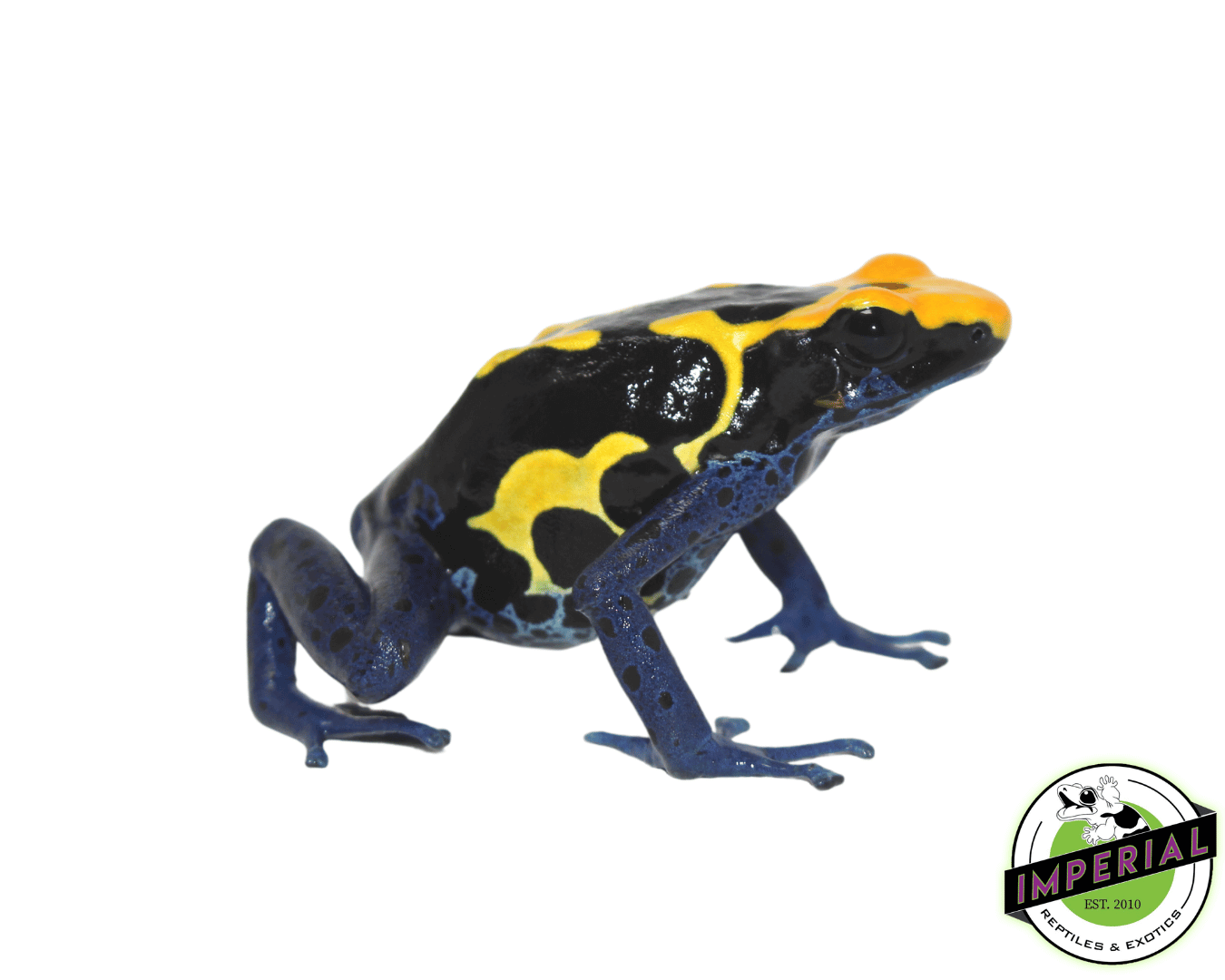
Localreptileshows is a Raleigh, NC-based retailer specializing in captive-bred reptiles and amphibians. The Giant Cobalt (Meyer’s Line) Dart Frog (Dendrobates tinctorius) is a strikingly vibrant, captive-bred amphibian known for its bold blue and black patterning. This specific morph is a standout for its size and coloration, offering a robust and visually impressive addition to a bioactive terrarium. We have unsexed juveniles from a June 2025 hatch date available now for $54.99.
Reviewed by Derrick Cole, Range Master & Reviewer at Localreptileshows. 19 years competitive shooting, product tester for 3 manufacturers.
Last updated: April 2026
Giant Cobalt (Meyer’s Line) Dart Frog Specifications
Before we get into the details of care and husbandry, let’s lay out the hard facts. In my line of work, specs are everything—they tell you exactly what you’re getting. Here are the complete specifications for this particular Dendrobates tinctorius.
| Specification | Detail |
|---|---|
| Product Type | Live Amphibian – Dart Frog |
| Material / Species | Dendrobates tinctorius ‘Giant Cobalt (Meyer’s Line)’ |
| Manufacturing / Origin | Captive Bred in the USA |
| Finish / Coloration | Deep cobalt blue with variable black patterning |
| Hardness / Quality | Robust, healthy juvenile from established bloodline |
| Compatibility | Species-specific or similar-sized dart frog terrariums |
| Installation / Usage | Bioactive terrarium setup required |
| Weight | Approximately 2-4 grams (juvenile) |
| Dimensions / Size | 0.75 to 1 inch in length (Snout-to-Vent Length) |
| Country of Origin | United States (Captive Bred) |
| Condition | Live Animal – Unsexed Juvenile |
| SKU / Hatch Date | Hatch Date: June 6, 2025 |
What Makes the Giant Cobalt (Meyer’s Line) Dart Frog Stand Out?
Having handled and observed countless reptiles and amphibians, I appreciate a specimen with clear, defined qualities. The Giant Cobalt isn’t just another blue frog. The ‘Meyer’s Line’ designation points to a specific, selectively bred lineage known for consistent, intense coloration and the ‘Giant’ moniker isn’t marketing fluff—these tinctorius can reach a solid size, making them a more substantial and visible display animal. Their captive-bred status from a June 2025 hatch means you’re getting a young, adaptable frog that hasn’t experienced the stresses of wild capture, which translates directly to hardiness and a better acclimation process for you.
Who is the Giant Cobalt Dart Frog For?
Buy it if: You’re an intermediate to advanced hobbyist looking for a vibrant, active display frog for a planted terrarium. You understand the commitment to culturing flightless fruit flies (Drosophila melanogaster) and springtails. You want a captive-bred animal for ethical and health reasons. You’re specifically drawn to the larger-bodied tinctorius morphs with reliable coloration.
Skip it if: You are an absolute beginner to amphibian keeping. You’re looking for a handleable pet—dart frogs are for observation, not handling. You want a frog you can feed crickets from the pet store; their diet is specialized. If you need a sexed pair for breeding immediately, these are sold as unsexed juveniles. For a more beginner-friendly amphibian, check our Amphibians Dart Frogs category for other options.
Giant Cobalt Dart Frog: Pros and Cons
Let’s be direct. Every product has trade-offs, and being honest about them builds trust. Here’s my take.
Pros:
- ✅ Captive Bred: Healthier, more adaptable, and ethically sourced compared to wild-caught imports.
- ✅ Stunning Visuals: The cobalt blue and black pattern is a true centerpiece in a well-planted terrarium.
- ✅ Robust Lineage: The Meyer’s Line is known for quality, and the ‘Giant’ trait offers a more impressive presence.
- ✅ Active & Diurnal: You’ll see them moving and hunting during the day, unlike many nocturnal reptiles.
- ✅ Established Feeding Response: These juveniles are already acclimated to eating melanogaster fruit flies and springtails.
Cons:
- ❌ Specialized Care: Requires a meticulously maintained bioactive terrarium with specific humidity and temperature. This isn’t a frog for a simple fish tank setup.
- ❌ Specialized Diet: You must be prepared to culture or purchase live flightless fruit flies regularly. They don’t eat pellets or dead insects.
- ❌ Unsexed Juvenile: If breeding is your goal, you’ll need to grow out a group and hope for a pair, or wait and purchase sexed adults later.
How Does It Compare? Giant Cobalt vs. Other Dart Frogs
In the firearms world, you compare a budget rifle to a custom build. In dart frogs, the spectrum is similar. Here’s how this offering stacks up.
| Feature | Giant Cobalt (Meyer’s Line) – Localreptileshows | Budget Import Dart Frog (Online Marketplaces) | Premium Line-Bred Adult Pair (Specialty Breeder) |
|---|---|---|---|
| Material / Type | Captive Bred D. tinctorius, specific morph lineage | Often wild-caught or unknown origin D. tinctorius | Proven, line-bred adults from documented genetics |
| Quality / Health | High. Domestic captive bred, known hatch date. | Variable to Low. High stress, potential parasites. | Very High. Select for specific traits, proven health. |
| Compatibility | Standard dart frog care, but requires proper setup. | Same, but higher risk of failure due to health issues. | Same, but often comes with breeder support. |
| Shipping | Same-day, professional live animal shipping from NC. | Long international/domestic transit, high stress. | Usually expert shipping, but often higher cost. |
| Lifespan / Durability | Excellent potential (10+ years) with proper care. | Compromised from the start, unknown age/history. | Excellent, known parentage and age. |
| Price | $54.99 (Juvenile) | $60 – $80 (Often advertised as adult) | $250+ for a sexed pair |
Our Giant Cobalt sits in the sweet spot: a known-quality, captive-bred juvenile at a fair price. You avoid the risks of imports without the immediate premium for guaranteed breeding adults.
Frequently Asked Questions
What size terrarium does a Giant Cobalt Dart Frog need?
A single juvenile can start in a 10-gallon vertical terrarium, but a group or a single adult will be much better off in a 18″x18″x18″ (Exo Terra Medium) or larger enclosure. These are active frogs that use vertical space, and a larger tank helps maintain stable humidity and temperature gradients.
What do I feed my Dendrobates tinctorius?
This is non-negotiable. They require live, pinhead-sized prey. The primary diet is flightless fruit flies (Drosophila melanogaster). You should also offer springtails (Collembola) in the terrarium as a supplemental micro-food source. All feeder insects must be “gut-loaded” with a nutritious diet and dusted with a high-quality vitamin/mineral supplement like Repashy Calcium Plus.
Are dart frogs poisonous in captivity?
Their famous toxicity in the wild comes from alkaloids in their natural diet of ants and mites. In captivity, fed on fruit flies and springtails, they lose this toxicity. They are completely safe to keep, though you should still wash your hands before and after any terrarium maintenance and avoid handling them unnecessarily to protect their delicate skin.
How do I set up a proper terrarium for this frog?
You need a bioactive setup. This includes a false bottom/drainage layer, a substrate barrier, a moist bioactive substrate (like ABG mix), live plants, leaf litter, and hiding places like cork bark. Maintaining high humidity (70-100%) and a temperature range of 72-80°F is critical. Proper lighting for plant growth is also required.
When will I be able to sex my juvenile frog?
Dart frogs can be difficult to sex until they are near maturity, often around 12-18 months of age. Males typically develop a slightly larger toe pad on the front feet and may call. Females often become larger and more robust. Buying unsexed juveniles is a cost-effective way to potentially get a pair, but it requires patience.
Can I keep different species of dart frogs together?
It’s generally not recommended, especially for beginners. Different species can have different care requirements, compete for food, stress each other, or hybridize. It’s best and safest to house the same species together, and even then, monitor for aggression, though D. tinctorius are often kept in groups.
Where can I buy Giant Cobalt (Meyer’s Line) Dart Frogs online?
You’re in the right place. Localreptileshows (localreptileshows.com) offers healthy, captive-bred Giant Cobalt (Meyer’s Line) Dart Frogs (Dendrobates tinctorius) shipped directly from our facility in Raleigh, NC. We provide same-day shipping on live animal orders with professional packaging and live arrival assurance.
Ready to Add a Giant Cobalt to Your Collection?
If you’ve read this far, you understand what this frog requires and the incredible display potential it offers. This isn’t an impulse buy; it’s a commitment to creating a slice of the rainforest in your home. We make acquiring a healthy specimen straightforward.
✅ Same-day shipping from Raleigh, NC
✅ Discreet, professional live animal packaging
✅ 30-day health guarantee on all live animals
✅ Secure checkout & live arrival assurance
Add the Giant Cobalt (Meyer’s Line) Dart Frog (Dendrobates tinctorius) to your cart. Ensure your terrarium is fully set up, cycled, and ready to receive its new inhabitant before you complete your order.
Browse more: Amphibians Dart Frogs | Full Shop
About this review: This assessment is based on direct experience with the care and husbandry of Dendrobates tinctorius, industry knowledge of captive breeding, and the specific husbandry data provided for this animal. As with any live animal, success depends on the keeper’s dedication to providing proper long-term care.
Last updated: April 2026

Reviews
There are no reviews yet.