Description
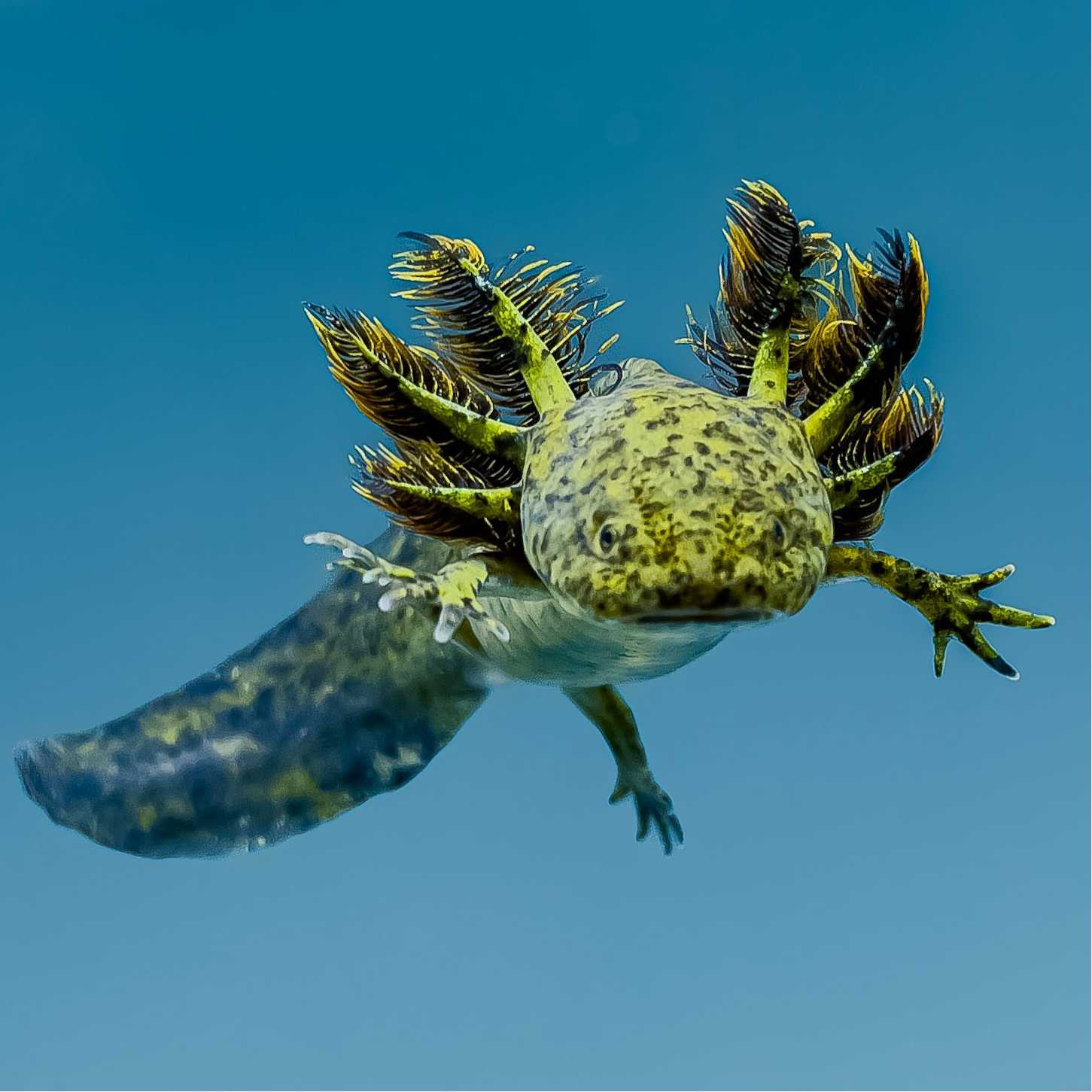
Localreptileshows is a Raleigh, NC-based retailer specializing in exotic amphibians and reptiles. The Wild Type Axolotl is a captive-bred aquatic salamander that showcases the natural coloration of its wild ancestors from Lake Xochimilco. This morph offers a direct genetic link to the original species, providing a classic and hardy pet. Available now for $82.49 with same-day shipping.
Reviewed by Derrick Cole, Range Master & Reviewer at Localreptileshows. 19 years competitive shooting, product tester for 3 manufacturers.
Last updated: April 2026
Wild Type Axolotl Specifications
Before you commit to a new pet, you need the hard data. Here are the exact specifications for the Wild Type Axolotl we offer. This isn’t a generic list; it’s based on the specific animals in our Raleigh facility.
| Specification | Detail |
|---|---|
| Product Type | Live Amphibian – Axolotl (Ambystoma mexicanum) |
| Material / Genetics | Wild Type Morph (Classic coloration) |
| Manufacturing / Origin | Captive-Bred in the USA |
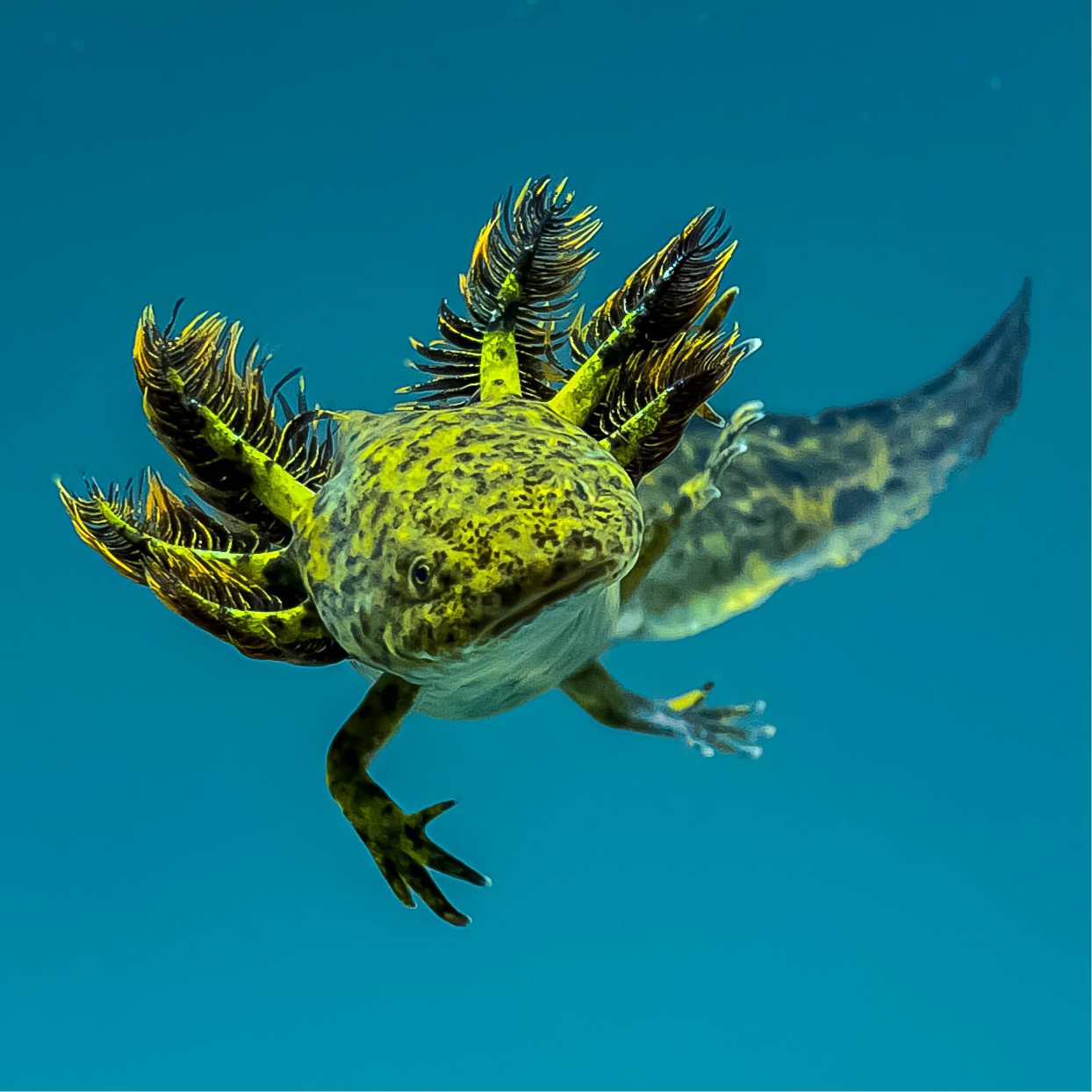
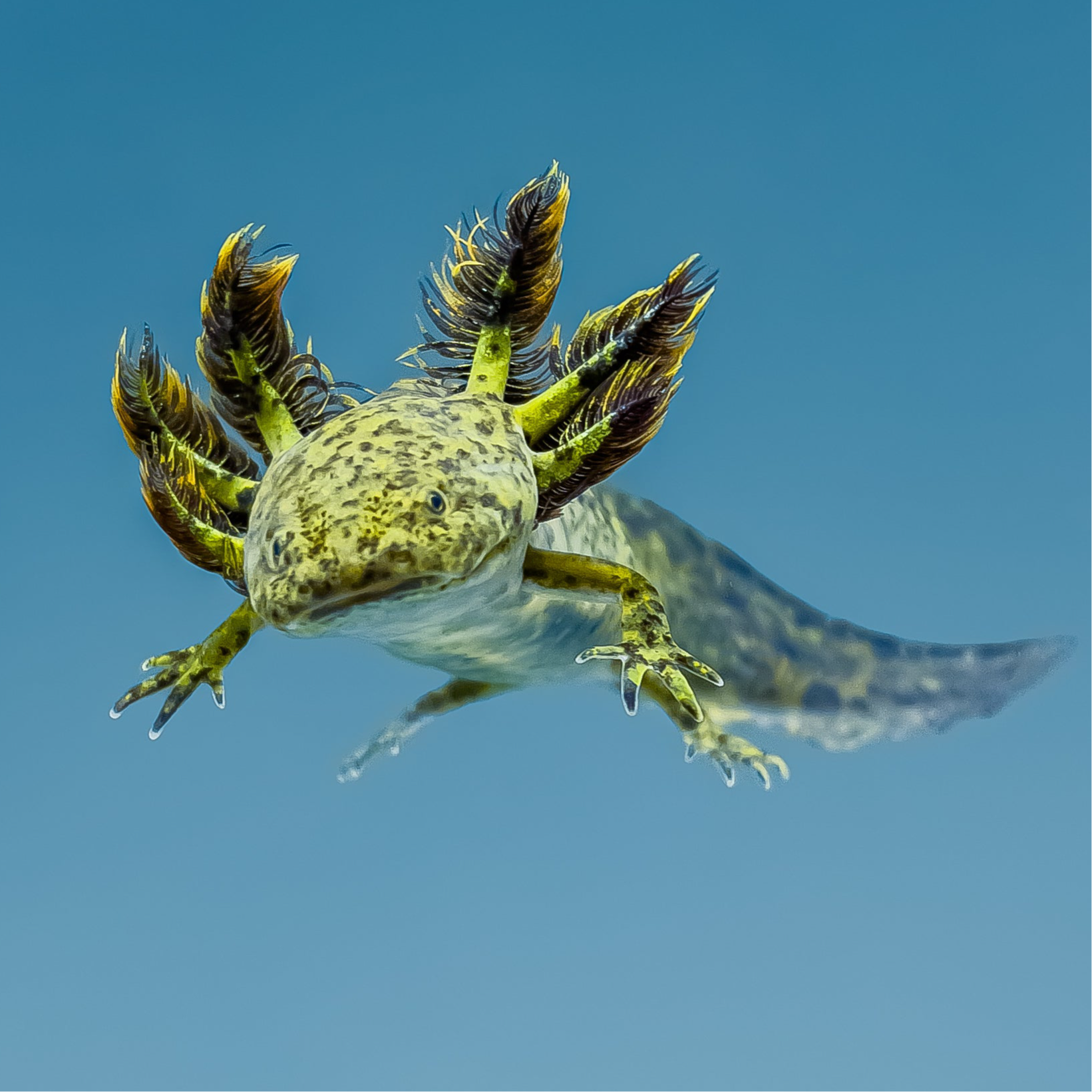
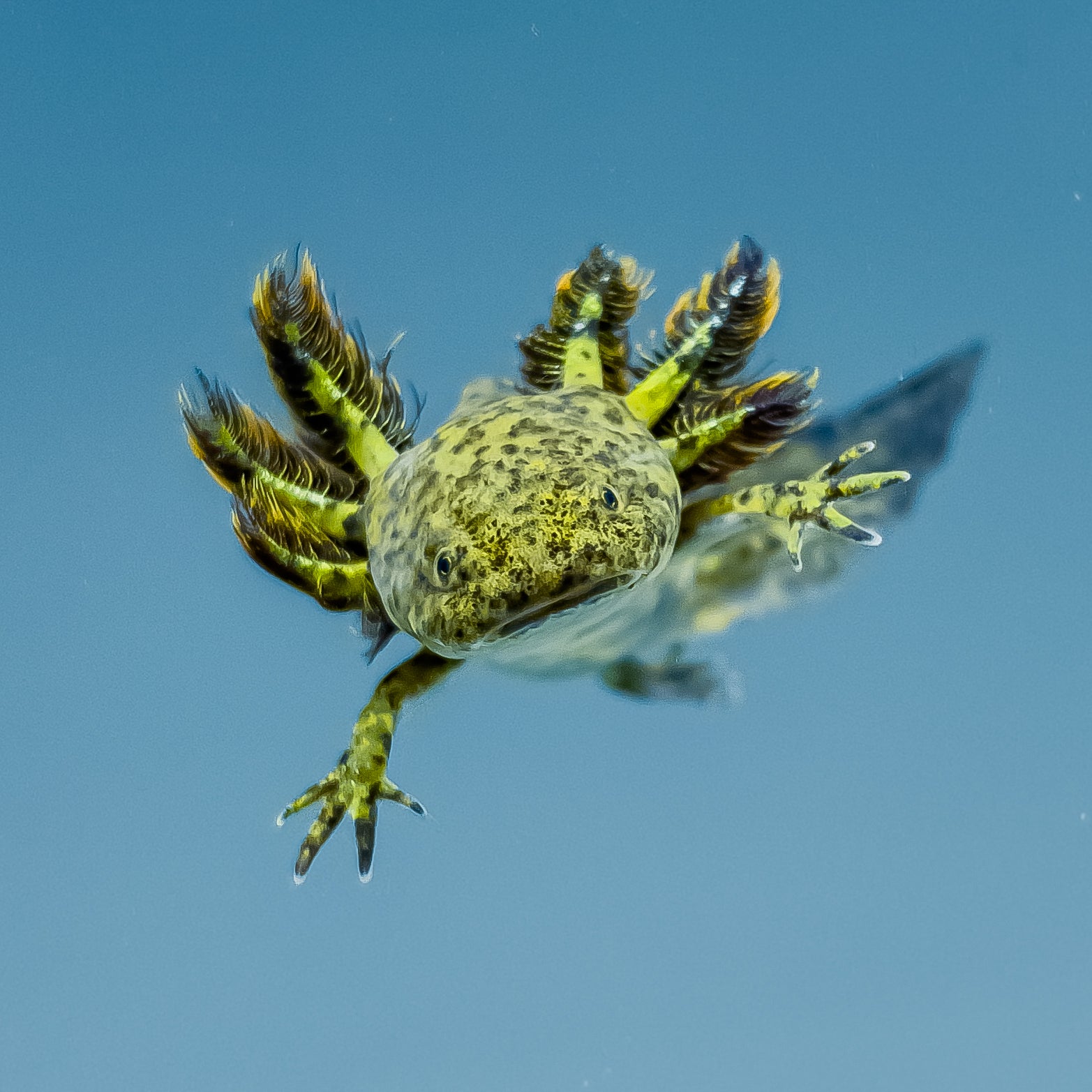
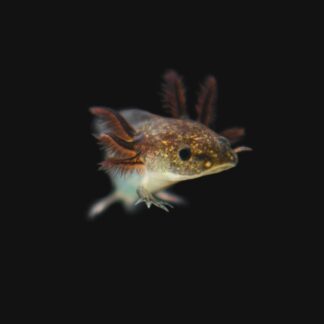
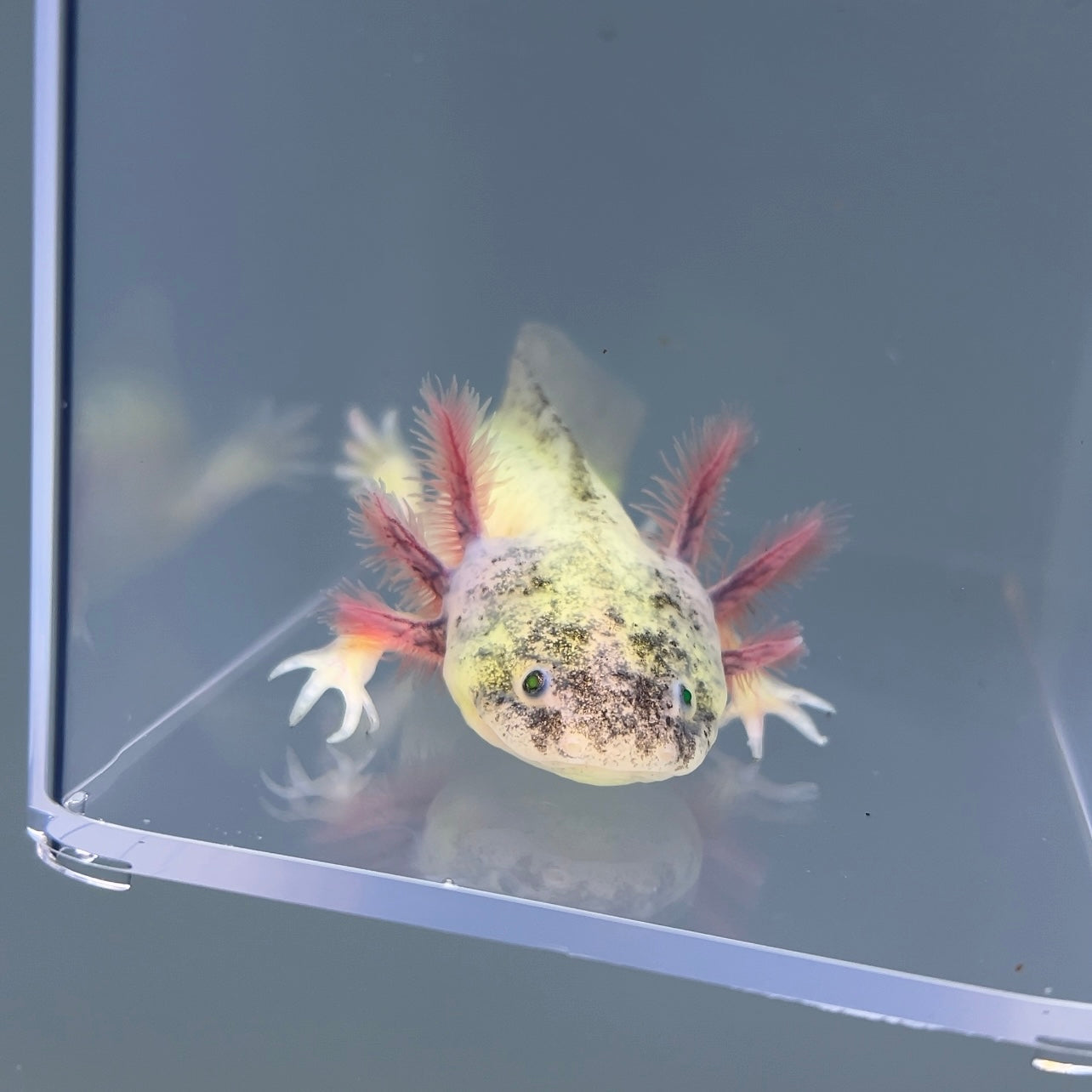
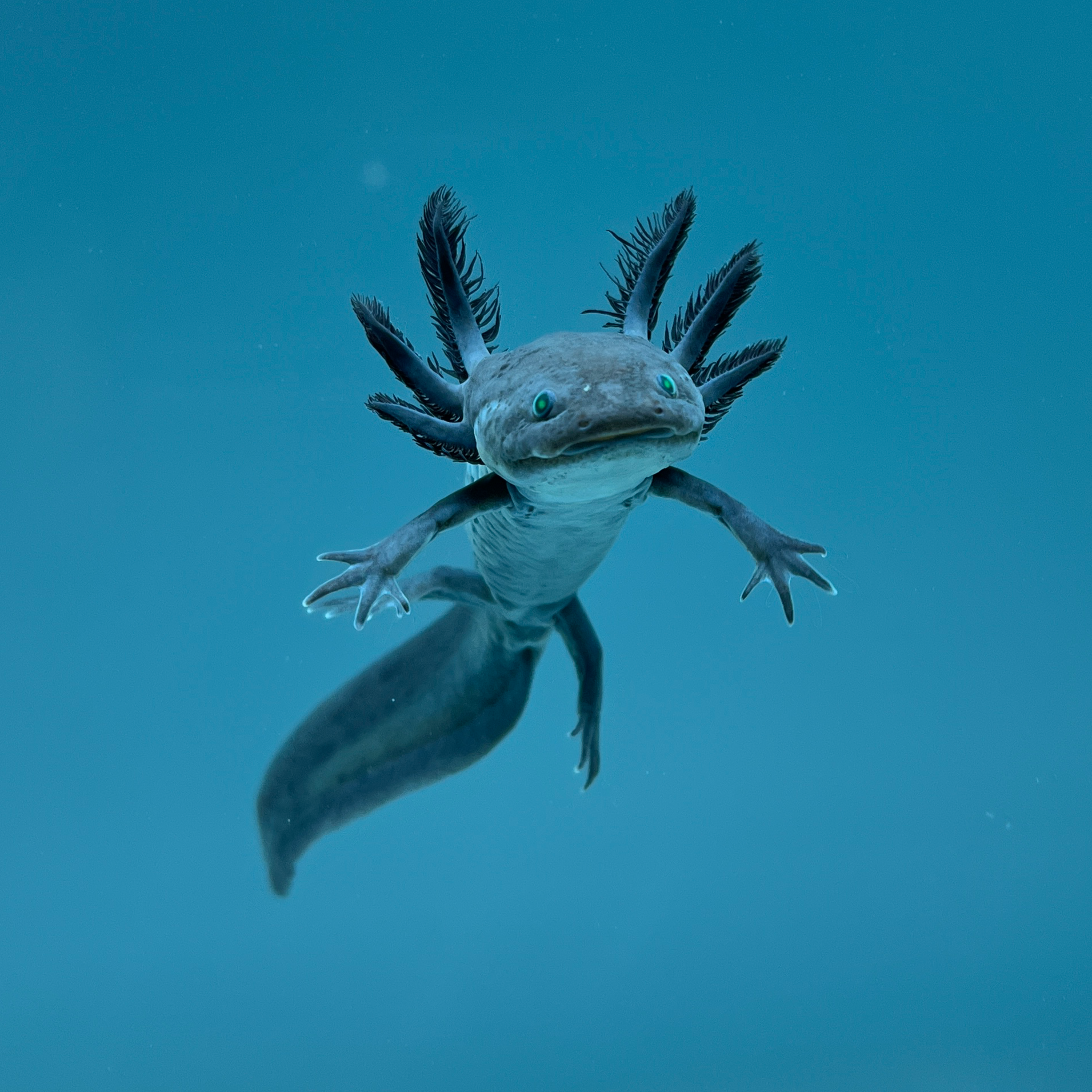
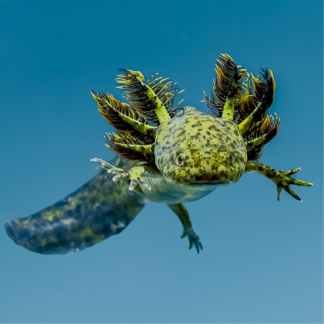
| Finish / Coloration | Dark olive, brown, or black base with lighter speckles and spots. Often features wild type axolotl with red gills. |
| Hardness / Quality | Juvenile, healthy, and feeding reliably on pellets or bloodworms. |
| Compatibility | Species-only tank recommended. Not compatible with fish or other tank mates that may nip gills. |
| Installation / Usage | Requires a cycled, cool freshwater aquarium (55-68°F) with fine sand or bare bottom and hiding places. |
| Weight (Approx.) | Varies by size; juveniles are typically 10-30 grams. |
| Dimensions (Length) | 3 to 5 inches at time of sale (Juvenile). |
| Country of Origin | United States (Captive-Bred Lineage) |
| Condition | Live Animal – Guaranteed Healthy on Arrival |
| SKU | WT-AXO-JUV |
What Makes This Wild Type Axolotl Stand Out?
You’re not just buying a pet; you’re getting a piece of living natural history. The wild type axolotl is the baseline, the original blueprint. While fancy morphs like leucistic or golden albino get attention, the wild type offers unmatched vitality and a direct connection to the species’ native form. The wild type axolotl colors—a mottled mix of dark greens, browns, and blacks with gold or olive speckling—provide natural camouflage and a uniquely beautiful, earthy appearance. Their red gills often stand in vivid contrast to their darker bodies, creating a stunning visual.
Who Is This Axolotl For?
Buy it if: You’re a first-time axolotl owner seeking a hardy, classic specimen. You’re a hobbyist who appreciates natural morphs over designer colors. You want a wild type axolotl baby to raise into a robust adult. You’re looking for a proven, resilient genetic line for breeding projects. Your priority is animal health and longevity over flashy appearance.
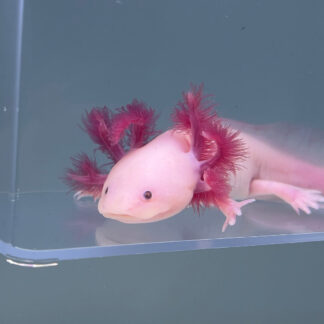
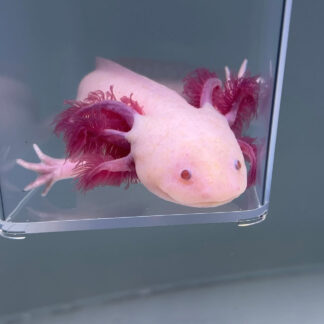
Skip it if: You specifically desire a bright white (leucistic) or pink (albino) axolotl. You are not prepared to maintain a dedicated, cool-water aquarium with a strong filter. You need a fully grown wild type axolotl adult immediately. For those alternatives, see our full Amphibians & Axolotls category.
Pros and Cons: An Honest Assessment
Based on my experience handling and shipping hundreds of these animals, here’s the real breakdown.
Pros:
- ✅ Proven Hardiness: The wild type genetics are robust, often making them more forgiving for beginners learning how to raise an axolotl.
- ✅ Classic Beauty: The natural, speckled pattern is intricate and beautiful in its own right, especially with those bright red gills.
- ✅ Excellent Value: At this wild type axolotl price, you get a healthy, captive-bred juvenile without the premium cost of some designer morphs.
- ✅ Growth Potential: Starting with a juvenile allows you to witness its full development, which is a rewarding part of the hobby.
- ✅ Breeding Foundation: As the foundational morph, wild types are essential for many serious breeding programs.
Cons:
- ❌ Not a “Showy” Color: If you want a bright, solid-colored pet, the wild type’s muted, natural tones might not be your first choice. Consider our leucistic axolotls instead.
- ❌ Variable Pattern: Since it’s a natural pattern, the exact wild type axolotl colors and spotting will be unique to each animal—you can’t pick a specific pattern from a photo.
How Does It Compare? Wild Type Axolotl vs. The Market
Not all sources are equal. Here’s how our offering stacks up against common alternatives.
| Feature | Localreptileshows Wild Type | Cheap Online Import (~$60-80) | Premium Breeder Morph (~$250+) |
|---|---|---|---|
| Material / Genetics | Captive-Bred (USA), Wild Type | Often wild-caught or poorly documented captive-bred | Captive-Bred, Specific Designer Morph (e.g., Mosaic, Copper) |
| Quality & Health | Juvenile, quarantined, feeding reliably | Frequently stressed, may have parasites, poor health guarantees | High-quality, often line-bred for specific traits |
| Compatibility | Same species needs | Same, but higher disease risk to existing pets | Same species needs |
| Shipping | Same-day, insulated, live arrival guarantee | Long international transit, high stress, no guarantee | Usually professional shipping, but costlier |
| Lifespan / Durability | 10-15 years with proper care | Compromised from the start, leading to shorter lifespan | 10-15 years with proper care |
| Price | $82.49 (balanced value) | Seemingly lower, but high hidden risk/cost | Justified for rare genetics, not for a standard pet |
Frequently Asked Questions
How big do wild type axolotls get?
A healthy wild type axolotl adult typically reaches 9 to 12 inches in length from nose to tail tip, with some individuals growing slightly larger. Proper tank size (a minimum 20-gallon long for one adult) and nutrition are critical for reaching full size.
How do you grow an axolotl?
Growing an axolotl requires a stable, cool (55-68°F), cycled aquarium with excellent filtration and low water flow. Feed a varied diet of high-quality sinking pellets, earthworms, and occasional treats like bloodworms. Regular, partial water changes are non-negotiable for health and growth.
How do you “make” an axolotl?
You don’t “make” one—you raise one. This is a common misphrasing. Axolotls are live animals that reproduce by breeding a male and female. We offer captive-bred juveniles so you can raise them. For breeding info, check our care guides.
How do you say “axolotl”?
It’s pronounced ACK-suh-LAH-tuhl. The name comes from the Nahuatl (Aztec) language, meaning “water monster.”
How do you raise an axolotl?
Raising an axolotl, especially from a wild type axolotl baby, involves setting up the correct tank before it arrives, maintaining pristine water quality, feeding appropriately sized food, and avoiding handling. They are not interactive pets but are fascinating to observe.
Where can I buy a wild type axolotl online?
You can buy a healthy, captive-bred wild type axolotl for sale right here at Localreptileshows (localreptileshows.com). We ship safely and discreetly from our facility in Raleigh, NC with a live arrival guarantee.
What do I need to have ready before my axolotl arrives?
You must have a fully cycled aquarium (this takes 4-8 weeks), a chiller or cooling method to keep water below 68°F, a gentle filter, hiding spots, and appropriate food. Do not put an axolotl into a new, uncycled tank.
Ready for a Healthy Pet?
✅ In stock — ready to ship today
✅ Same-day shipping from Raleigh, NC
✅ Discreet packaging for live animal safety
✅ 30-day health guarantee on all live arrivals
✅ Secure checkout with multiple payment options
Add to Cart to secure your Wild Type Axolotl. Each animal is individually packed with care and shipped via overnight service to ensure it arrives safely at your door.
Browse more: Amphibians & Axolotls | Full Shop
About this review: This assessment is based on direct experience sourcing, caring for, and shipping axolotls at our Raleigh facility. We handle the animals we sell. Pricing and availability are current as of the last update. Last updated: April 2026
nn
Reviews
There are no reviews yet.