Description
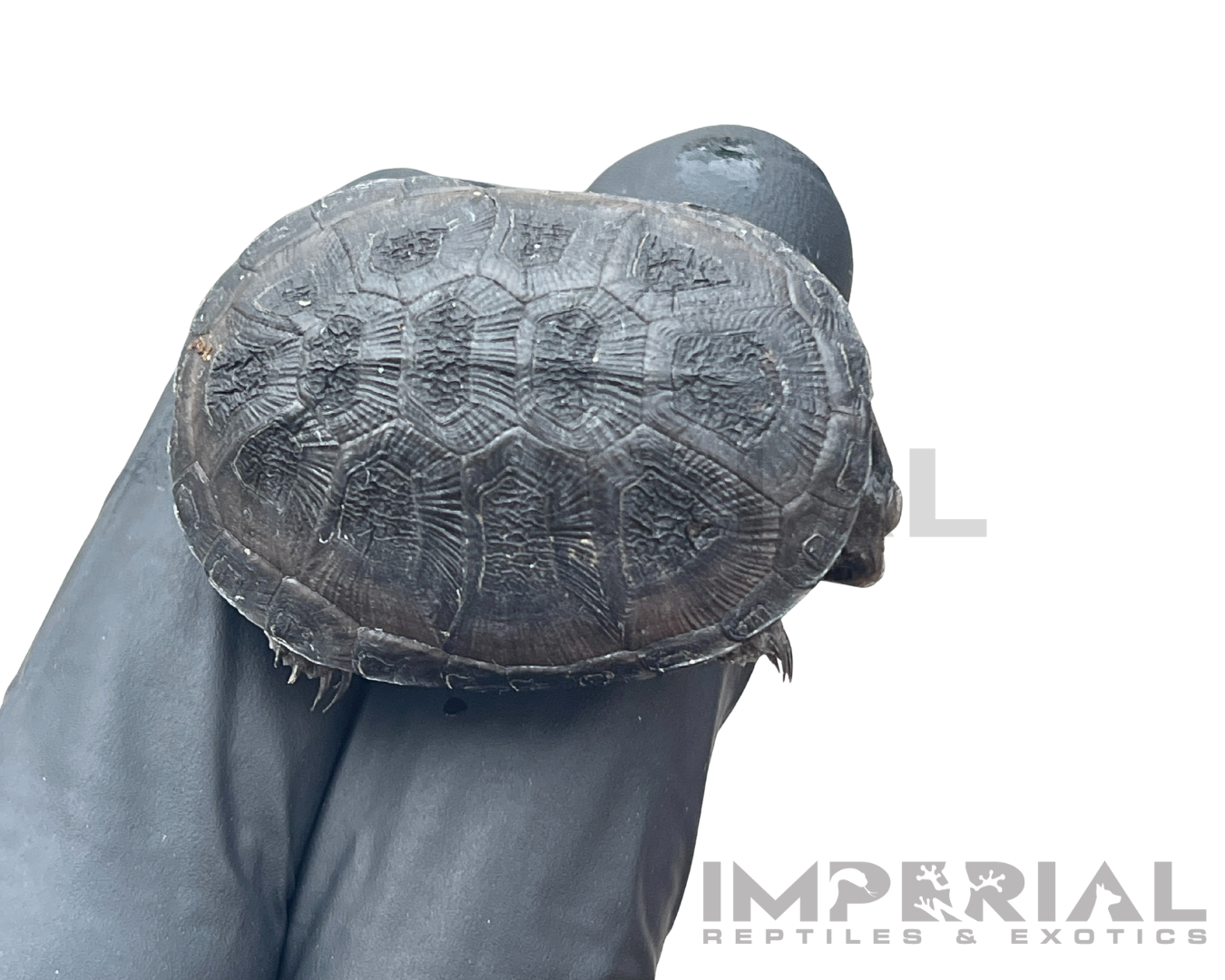
Localreptileshows is a Raleigh, NC-based retailer specializing in quality reptiles and amphibians. The African Dwarf Mud Turtle Baby is a captive-bred specimen of the Pelusios nanus species, measuring 1-2 inches. This turtle offers a manageable size for dedicated aquatic keepers. We have this healthy juvenile in stock and ready to ship for $142.99.
Reviewed by Derrick Cole, Range Master & Reviewer at Localreptileshows. 19 years competitive shooting, product tester for 3 manufacturers.
Last updated: April 2026
What Are the Specifications of This African Dwarf Mud Turtle Baby?
Before you commit to any live animal, you need the hard data. Here are the complete specs for this African Dwarf Mud Turtle Baby. I handle every animal that comes through our Raleigh facility, and these details are based on direct observation and our supplier’s information.
| Specification | Detail |
|---|---|
| Product Type | Live Reptile – Aquatic Turtle |
| Material (Species) | Pelusios nanus |
| Manufacturing (Breeding) | Captive-Bred (CB) |
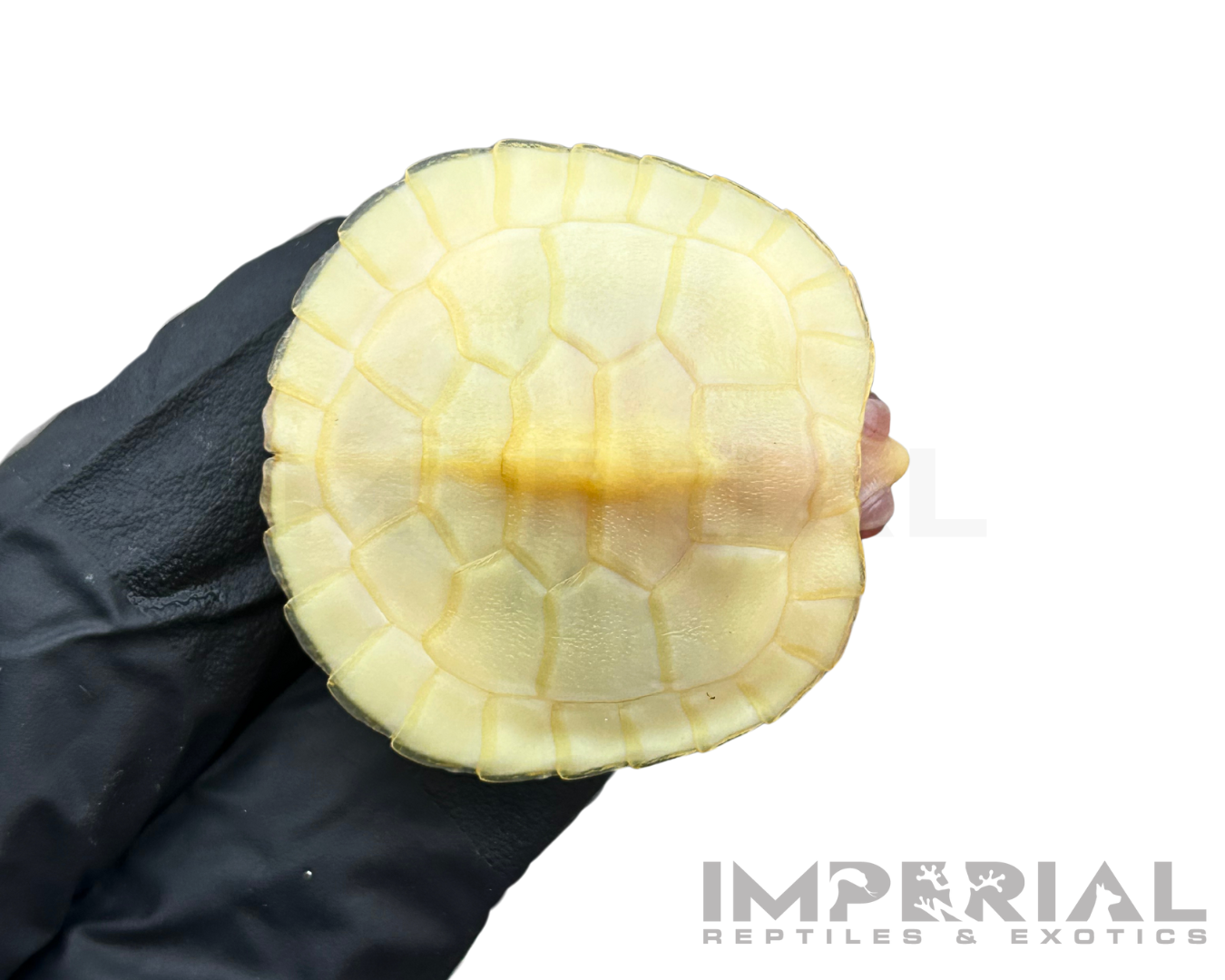
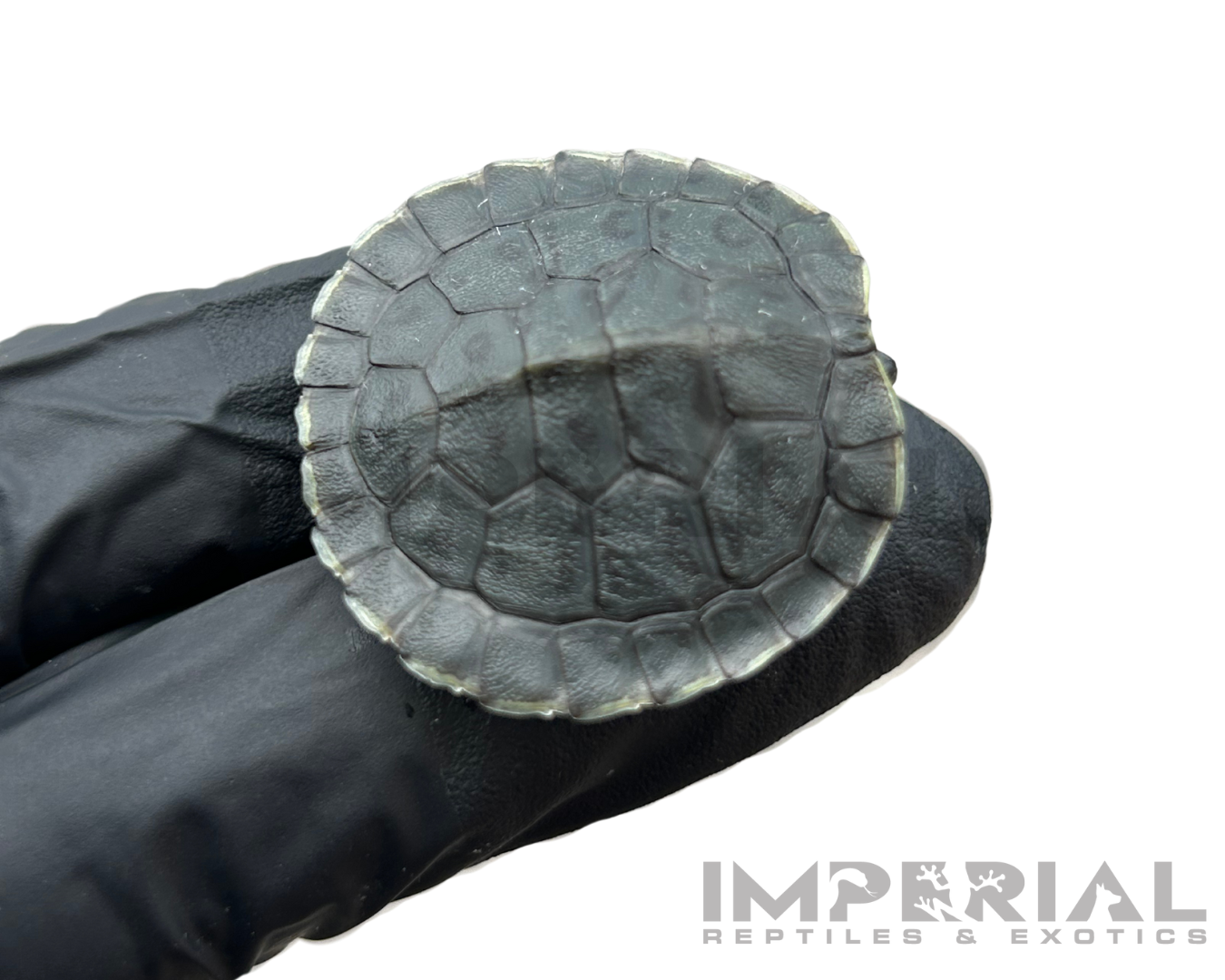
| Finish (Coloration) | Natural juvenile patterning; typically dark carapace with lighter plastron. |
| Hardness/Quality (Health) | Vibrant, active, and feeding. No visible defects or signs of illness. |
| Compatibility (Housing) | Semi-aquatic setup with ample swimming space and a secure basking area. |
| Installation/Usage (Care) | Requires a cycled aquatic habitat, proper heating, UVB lighting, and a varied diet. |
| Weight | Approximately 10-20 grams (juvenile). |
| Dimensions (Size) | 1-2 inches carapace length. |
| Country of Origin | United States (Captive-Bred) |
| Condition | New / Live Animal |
| SKU | ADMT-BABY-CB |
Key Features of This Captive-Bred African Dwarf Mud Turtle
Just like evaluating a firearm, you look at the features that define performance and reliability. This African Dwarf Mud Turtle Baby has several points that make it a solid choice for the right keeper.
- Captive-Bred Origin: This isn’t a wild-caught animal. Captive breeding means a turtle that’s generally healthier, more adaptable to captive life, and free from the stress of importation. It’s the equivalent of buying a firearm from a reputable manufacturer versus a questionable parts kit.
- Manageable Adult Size: Pelusios nanus is one of the smaller mud turtle species, with adults often reaching only 4-5 inches. This makes their long-term housing requirements more feasible than larger aquatic turtles.
- Distinctive Appearance: As a baby, it has the classic mud turtle profile—a relatively smooth, domed carapace. Watching its colors and patterns develop as it matures is a big part of the appeal.
- Active Aquatic Behavior: These are engaging turtles to watch. They are proficient swimmers and active foragers, which makes them more interesting than some purely sedentary species.
Who Is This African Dwarf Mud Turtle Baby For?
Not every turtle is for every person. Based on my experience with reptile keepers and their setups, here’s who will get the most out of this animal.
Buy it if:
- You’re an intermediate aquatic keeper ready to move beyond beginner species.
- You want a turtle with a smaller adult footprint but more personality than a tiny musk turtle.
- You appreciate the ethical and practical advantages of captive-bred reptiles.
- You have a properly cycled and equipped semi-aquatic habitat ready to go.
- You’re looking for a long-term pet, as these turtles can live for several decades with proper care.
Skip it if:
- You are a complete beginner to reptile keeping. The water quality and specific needs are a step up. Consider a more forgiving species first.
- You want a turtle that is primarily terrestrial or handles frequently. This is an aquatic animal that observes best in its habitat.
- You’re looking for a “cheap” pet. The initial cost is just the start; proper filtration, heating, and lighting are a required investment. If your budget is tight, browse our Turtles Tortoises category for other options or ensure your setup budget is solid first.
Pros and Cons: An Honest Assessment
I believe in giving you the full picture, the good and the less good, so you can make an informed decision.
Pros:
- ✅ Captive-Bred: Healthier start, more sustainable, and avoids the pitfalls of wild-caught specimens.
- ✅ Smaller Adult Size: A 4-5 inch adult is manageable in a appropriately sized aquarium, not a stock tank.
- ✅ Engaging Behavior: Active swimmer and forager, providing more viewing interest.
- ✅ Good Species for Dedicated Keepers: Offers a rewarding challenge beyond the most common turtles.
- ✅ Clear Health Status: Sourced from reputable breeders and quarantined, arriving in excellent condition.
Cons:
- ❌ Not for Beginners: Requires stable water parameters, solid filtration, and specific heating/lighting. Mistakes can be costly.
- ❌ Primarily for Observation: While some individuals may become hand-fed, this is not a “cuddly” or frequent-handling pet. If you want a more interactive reptile, see our Full Shop for other possibilities.
- ❌ Long-Term Commitment: A decades-long lifespan means planning for its care well into the future.
How Does It Compare to Other Turtles?
Let’s put this African Dwarf Mud Turtle Baby head-to-head with two common alternatives you might be considering. This table breaks down the real differences.
| Feature | African Dwarf Mud Turtle Baby (Localreptileshows) | “Budget” Common Musk Turtle (~$60-80) | Premium Brand Baby Turtle (e.g., Rare Map Turtle ~$250+) |
|---|---|---|---|
| Material (Species) | Pelusios nanus | Sternotherus odoratus (often wild-caught or farmed) | Highly sought-after species (e.g., Graptemys spp.) |
| Quality (Origin/Health) | Captive-bred, health-quarantined | Often wild-caught or mass-farmed; higher stress, potential parasites | Typically captive-bred from established lines, high health standards |
| Compatibility (Care Level) | Intermediate. Needs solid water quality management. | Beginner-friendly. Very hardy but can be smelly. | Intermediate to Advanced. Often has very specific water flow, diet, or space needs. |
| Shipping | Same-day, discreet, from Raleigh, NC | Varies widely; often drop-shipped with minimal oversight | Usually from specialized breeders; shipping can be expensive |
| Lifespan/Durability | Decades with proper care. Robust captive-bred start. | Decades, but wild-caught start can lead to hidden health issues. | Decades. Lineage often known for specific hardiness or traits. |
| Price | $142.99 | $60 – $80 | $250 and up |
This African Dwarf Mud Turtle sits in a smart middle ground. You’re not gambling on a cheap, potentially problematic import, nor are you paying a premium for a rarity. You’re investing in a quality, captive-bred animal from a known species.
Frequently Asked Questions
Here are the questions I get asked most often about turtles like this one.
What size tank does an African Dwarf Mud Turtle baby need?
Start with a minimum of a 20-gallon long aquarium for a baby, but plan for an adult setup. A single adult will need at least a 40-gallon breeder or, ideally, a 75-gallon tank to provide adequate swimming space and a proper basking area. Bigger is always better for water quality and turtle health.
What do you feed an African Dwarf Mud Turtle?
They are omnivores with a strong carnivorous leaning. A varied diet is key. Offer high-quality commercial turtle pellets as a staple, supplemented with protein sources like earthworms, crickets, chopped fish, and shrimp. They will also occasionally eat some leafy greens. Dust food with calcium and vitamin supplements regularly.
Does it need a heater and UVB light?
Absolutely. Non-negotiable. The water temperature should be maintained around 75-80°F with a reliable aquarium heater. A dry basking area must be provided with a heat lamp to create a spot around 85-90°F. Most critically, a dedicated UVB lamp (Reptisun 5.0 or Arcadia 6%) is required for 10-12 hours a day to allow the turtle to metabolize calcium and prevent serious health issues like Metabolic Bone Disease.
Is this turtle fully aquatic?
No, it is semi-aquatic. While it spends most of its time in the water, it must have easy access to a completely dry basking area where it can get completely out of the water to dry off and thermoregulate. The basking area should be sturdy, easy to climb onto, and positioned under the heat and UVB lamps.
How can I tell if the turtle is healthy?
Look for clear, alert eyes without swelling. The shell should be firm and free of soft spots, pits, or abnormal discoloration. It should be active and responsive, not lethargic. It should not be floating abnormally or have discharge from the nose or mouth. Our turtles are visually inspected and are feeding before shipment.
Where can I buy an African Dwarf Mud Turtle baby online?
You can purchase this healthy, captive-bred African Dwarf Mud Turtle Baby right here at Localreptileshows (localreptileshows.com). We ship safely and discreetly from our facility in Raleigh, NC.
What is your live arrival guarantee?
We offer a live arrival guarantee with specific terms. The turtle must be received on the first delivery attempt and inspected immediately. You must contact us within a specified timeframe (typically 1-2 hours) with photographic evidence if there is a problem. We do not guarantee against issues caused by extreme weather delays or recipient refusal of the package. Full details are available at checkout and on our website policies page.
Ready to Add This Turtle to Your Habitat?
If you’ve done your research and have a proper setup ready, this African Dwarf Mud Turtle Baby is a fantastic choice. You’re getting a captive-bred animal with a strong start in life, shipped with care from experienced handlers.
✅ Same-day shipping from Raleigh, NC
✅ Discreet packaging
✅ 30-day returns (see policy for live animal details)
✅ Secure checkout
Browse more: Turtles Tortoises | Full Shop
About this review: This assessment is based on direct handling and care of this species and similar reptiles at the Localreptileshows facility. Specifications are verified against supplier data and current herpetoculturalnn
Reviews
There are no reviews yet.